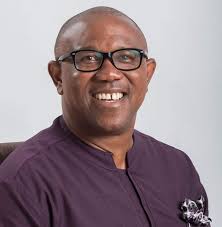
The presidential candidate of the Nigeria Democratic Congress, Peter Obi, has expressed sympathy for ordinary Fulani citizens whom he said are often unfairly blamed for crimes committed by a few individuals.
In a statement issued on Monday, Obi said many Fulani people have become victims of ethnic profiling, with entire communities being judged for the actions of criminals they neither know nor support.
The former Anambra governor said he could relate to the experience, recalling that as an Igbo man, he had also faced stereotypes, prejudice and labelling based solely on his ethnic background.
“I understand the pain of the ordinary Fulani man today, often unfairly judged by the actions of criminals he does not support, has never met, and who are not representative of his people,” Obi said.
He argued that criminal activities should not be linked to any ethnic group, insisting that those who commit crimes should be treated as individuals and prosecuted according to the law.
According to him, criminals do not represent the values or character of the communities they come from, warning against the growing tendency to associate insecurity with entire ethnic nationalities.
“A thief is a thief. A terrorist is a terrorist. A kidnapper is a kidnapper. They are bad actors, not representatives of any people,” he stated.
Obi noted that ethnic stereotyping has historically fuelled discrimination and social divisions in many societies, citing the struggle for civil rights in the United States as an example of efforts to combat such prejudices.
He maintained that every ethnic group in Nigeria is known for its unique culture, skills, occupations and contributions to national development, and should not be defined by the actions of a few criminal elements.
The former governor warned that blaming entire ethnic groups for criminal acts promotes hatred, weakens national cohesion and undermines efforts to build a united country.
He also accused some politicians and vested interests of exploiting ethnic stereotypes and prejudices for personal and political gains.
Calling for greater unity, Obi urged Nigerians to judge one another based on character and conduct rather than tribe, religion or place of birth.
He said the country must move towards a future where citizens can celebrate their cultural identities while remaining committed to justice, mutual respect and national unity.
According to Obi, achieving a better Nigeria requires rejecting ethnic profiling and embracing a society where no individual is condemned because of their ethnic background.