By Anthony Otaru, Abuja
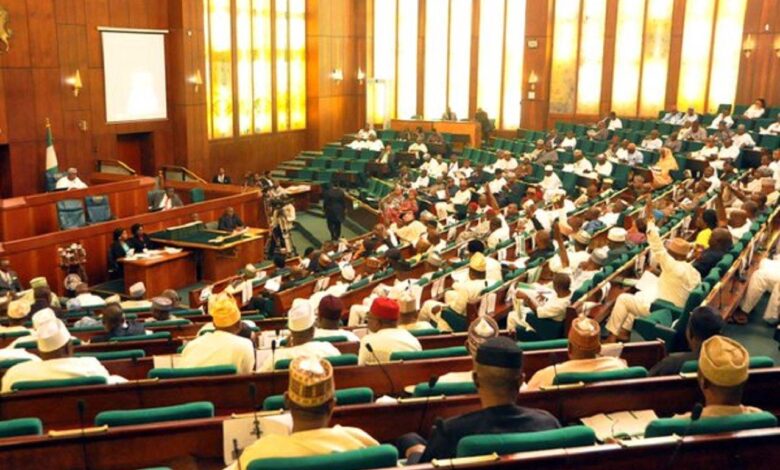
The financial crisis in Nigeria’s electricity sector came under the spotlight on Wednesday as the House of Representatives Public Accounts Committee summoned all 11 electricity distribution companies (Discos) over a staggering ₦2.6trn debt owed to the federation account.
At an investigative hearing chaired by Rep. Bamidele Salam, lawmakers grilled stakeholders after reviewing the 2021 report of the Auditor General of the Federation, which exposed deep-rooted irregularities in the sector’s operations.
Appearing before the committee, the Managing Director of the Nigerian Bulk Electricity Trading Company (NBET), Johnson Akinnawo, revealed that as of September 30, 2020, the debts of the Discos had ballooned to ₦2.6trn.
According to NBET, virtually every Disco is heavily indebted. Abuja Disco alone is said to be owing more than ₦330bn, while Ibadan and Ikeja Discos trail closely with debts above ₦300bn each. Kaduna, Enugu, and Benin Discos are not far behind, with obligations running into over ₦200bn apiece. Port Harcourt, Kano, Eko, Jos, and Yola Discos also carry significant liabilities, together forming part of the collective debt pile that has crippled the market.
Lawmakers expressed alarm that despite these huge obligations, electricity supply to Nigerians remains epileptic while the financial haemorrhage continues unchecked.
The Auditor General’s report further indicted the sector for additional lapses: over ₦30bn in debts left uncollected by NBET, a ₦549m shortfall in statutory income, ₦100bn paid to power generation companies (GenCos) for electricity never delivered to the grid, ₦26bn owed by two foreign firms for power exported to Togo, Benin and Niger, and ₦166bn in under-remittances by DisCos below the Nigerian Electricity Regulatory Commission (NERC) ‘s benchmark.
Following heated deliberations, Rep Yahya Kusada moved a motion, seconded by Rep. Billy Osawaru, mandating all DisCos to appear before the committee to explain why they have consistently failed to settle their financial obligations.
“With the magnitude of liabilities before us, these companies must appear before the Committee to clarify their positions and outline repayment plans,” Kusada declared.
The committee also resolved to invite other market participants and operators flagged in the Auditor General’s report to answer for their roles in what lawmakers described as a “systemic breach of accountability” in the sector. A date for the appearance will be communicated in due course.