The Minister of the Federal Capital Territory (FCT), Nyesom Wike, has dismissed claims that ongoing judicial infrastructure projects in Abuja could compromise the independence of the judiciary, insisting that the interventions are aimed solely at improving welfare, security and efficiency within the third arm of government.
Wike spoke on Thursday after inspecting several judicial projects in the nation’s capital, including the Court of Appeal complex, judges’ quarters and official residences for heads of courts. The projects, he said, are presidential interventions being executed by the Federal Capital Territory Administration (FCTA) through the Federal Capital Development Authority (FCDA).
According to the minister, the initiatives are designed to strengthen, not undermine the judiciary by providing decent accommodation and a secure working environment for judicial officers.
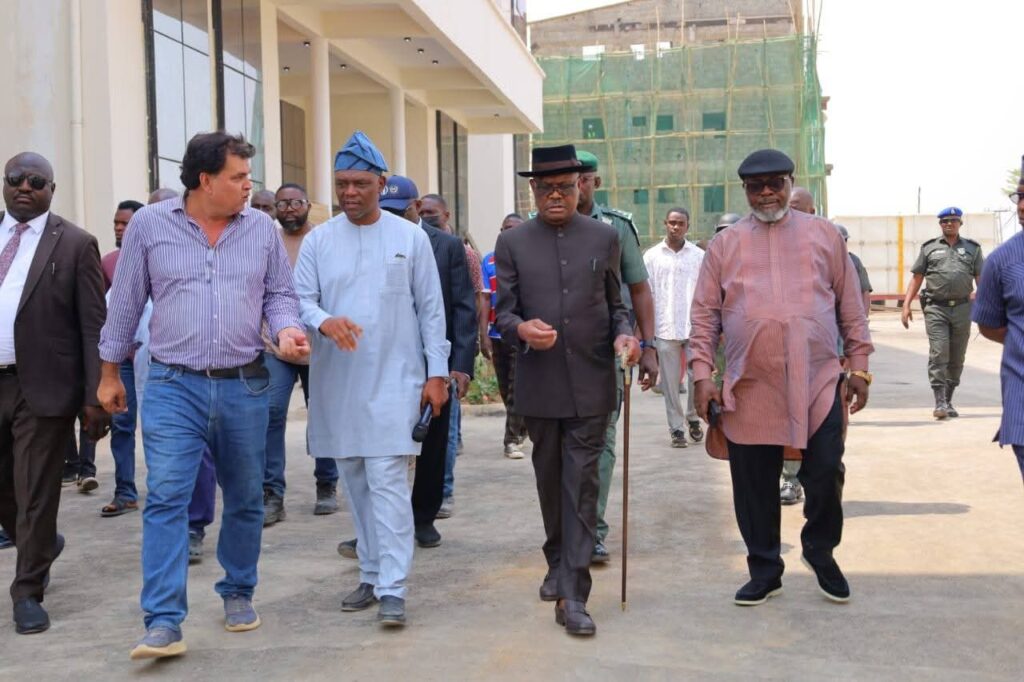
“There is nothing you would do that critics will not criticise,” Wike said.
“Before now, people complained that judges had nowhere to stay to do their work effectively. Now that government is providing accommodation, they say it is an attempt to buy them. How many people can you buy?”
He stressed that no democracy can function without a strong and independent judiciary, adding that improving judges’ welfare does not in any way erode their constitutional independence.
“You can’t talk about democracy without talking about the judiciary. You also can’t expect them to perform efficiently when they don’t have befitting places to stay. Even when funds are released to the judiciary, it is still the executive that provides those funds,” he said.
Wike explained that the projects followed a directive by President Bola Ahmed Tinubu shortly after his inauguration in May 2023, mandating the FCT Administration to reduce the accommodation burden on judges and enhance their welfare.
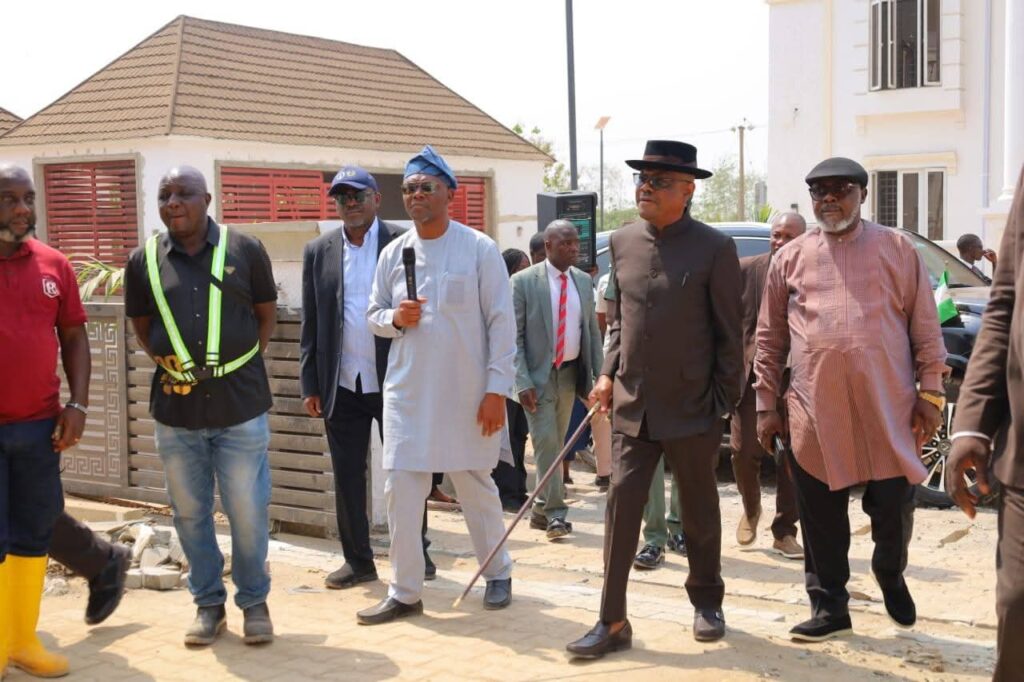
He disclosed that a Court of Appeal division with a separate administrative headquarters is between 85 and 90 per cent completed.
“We were there this morning and saw that the work is almost finished. That directive was very clear, and we are glad that it is being faithfully implemented,” he said.
The minister further revealed that the FCT Administration is constructing 40 residential houses for judges—20 for the FCT High Court, 10 for the Court of Appeal and 10 for the Federal High Court—with plans to commence similar housing for the National Industrial Court.
In addition, Wike said official residences, referred to as “Houses of Courts,” are being built for heads of courts, including the President of the Court of Appeal, the President of the National Industrial Court, the Chief Judge of the Federal High Court and the Chief Judge of the FCT High Court.
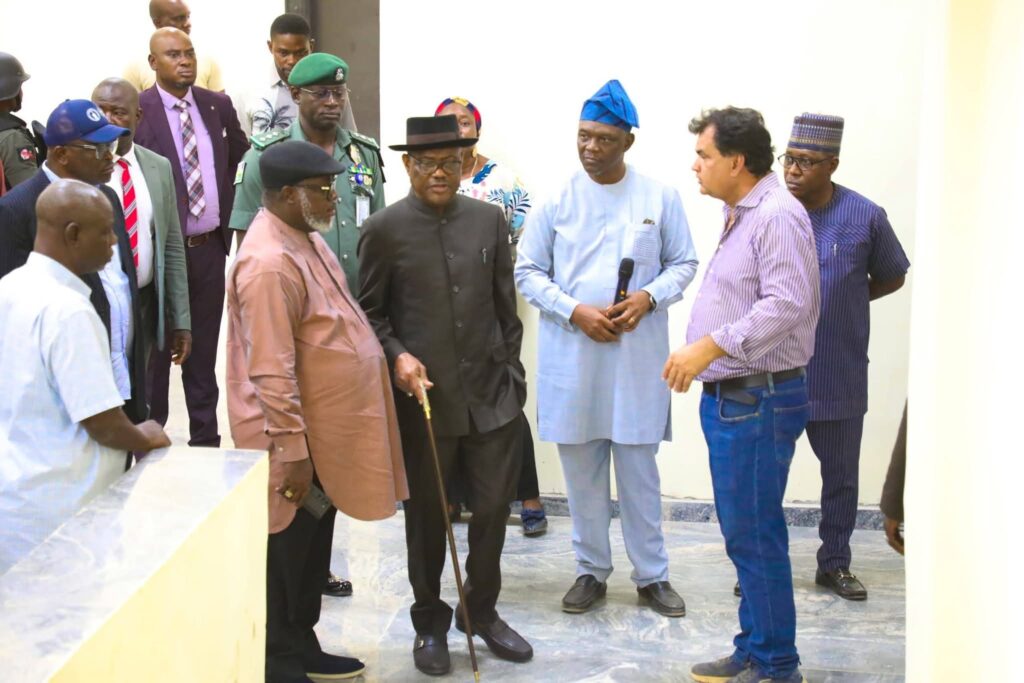
He noted that the projects are expected to be completed and handed over by June or July for formal presentation to the judiciary by President Tinubu, describing the development as unprecedented in Nigeria’s history.
Addressing concerns over delays in completing the Court of Appeal complex, Wike attributed the setback to unusually heavy rainfall last year but assured that the project is now nearing completion and would be commissioned during the president’s third year in office.

He expressed satisfaction with the pace and quality of work, reiterating the Tinubu administration’s commitment to strengthening the judiciary as a vital pillar of Nigeria’s democratic system.