By Nathaniel Zaccheaus, Abuja
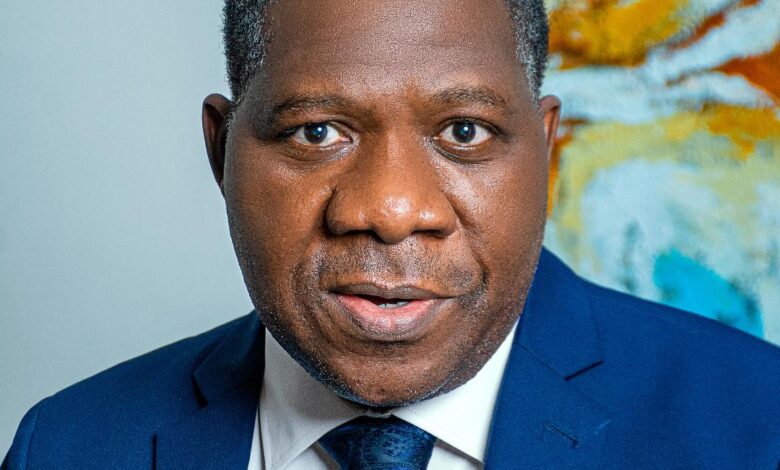
Senate Leader, Opeyemi Bamidele, has unveiled plans to sponsor a constitutional amendment bill in the 11th National Assembly seeking to replace the current two-term tenure arrangement for presidents and governors with a single six-year term.
Bamidele said the proposal was designed to curb the excesses of incumbency politics, enhance governance, and eliminate the distractions associated with re-election campaigns.
Speaking during an interview in Abuja, the Senate Leader said the proposed amendment would form part of a broader package of political and constitutional reforms aimed at strengthening democratic institutions and improving governance outcomes.
According to him, elected leaders often devote a significant portion of their first term to planning for re-election, a development he believes weakens policy implementation and long-term planning.
The lawmaker argued that a single six-year tenure would allow presidents and governors to focus entirely on governance without the pressure of securing a second mandate.
In another major intervention, Bamidele challenged the Revenue Mobilisation Allocation and Fiscal Commission (RMAFC) to publicly disclose the salaries, allowances and benefits of all public office holders in the country.
He said the Commission should publish comprehensive details of the remuneration packages of members of the National Assembly, state legislators, ministers, commissioners, and other political officeholders to address what he described as widespread misinformation about lawmakers’ earnings.
According to him, legislators do not determine their own salaries and allowances, contrary to popular belief; the responsibility lies solely with the RMAFC.
“All allowances received by parliamentarians at both the federal and state levels should be published fully and publicly. Legislators do not determine their remuneration. The Revenue Mobilisation and Fiscal Commission is responsible for that,” he said.
Bamidele maintained that transparency in the remuneration system would help Nigerians better understand how public office holders are compensated and dispel long-standing misconceptions surrounding legislative earnings.
He also clarified that vehicles allocated to senators and members of the House of Representatives are official government assets meant to facilitate legislative and constituency assignments, and should not be viewed as personal property belonging to lawmakers.
*Defends rejection of military spending probe, backs death penalty for kidnappers
On the nation’s security challenges, the Senate Leader defended the Senate’s decision to reject a motion to establish a special committee to investigate military spending in the ongoing war against insurgency and terrorism.
He argued that initiating a public probe into military expenditure while troops remained actively engaged in combat operations could undermine the morale of the armed forces and amount to placing the military on trial in the middle of a war.
Bamidele noted that the military had continued to make significant sacrifices under difficult circumstances while confronting insurgent groups that had increasingly adopted guerrilla warfare tactics.
He explained that the Senate considered it more appropriate for its standing committees on Defence, Army, Navy and Air Force to continue carrying out their constitutional oversight functions rather than setting up a separate investigative panel.
According to him, lawmakers regularly inspect military equipment acquisitions and monitor procurement processes to ensure accountability and transparency.
He added that certain aspects of military operations and acquisitions could not be discussed publicly because of national security considerations.
Despite concerns over renewed attacks in some parts of the country, Bamidele insisted that considerable progress was being made in the fight against terrorism and insurgency.
He attributed recent attacks partly to the increasing pressure being mounted on terrorist groups through intensified military operations and international counter-terrorism collaborations.
The Senate Leader said insurgent groups were attempting to create the impression that government efforts were failing by carrying out retaliatory attacks aimed at eroding public confidence in the armed forces.
“We must not allow political interests or propaganda to weaken public support for our military. Significant progress is being made, even if much of it cannot be discussed openly,” he said.
Bamidele also reaffirmed his support for the death penalty for convicted kidnappers, describing kidnapping as one of the gravest security threats facing the country.
He disclosed that the anti-terrorism bill he sponsored was nearing final legislative approval and expressed optimism that it would strengthen the legal framework for combating terrorism and violent crime.
The Senate Leader noted that recent judicial decisions imposing death sentences on convicted kidnappers reflected growing national support for tougher penalties against perpetrators of violent crimes.
On the performance of the 10th Senate, Bamidele dismissed claims that the legislature had become a rubber stamp for the executive arm of government.
He said the Senate had deliberately embraced a model of constructive engagement with the Presidency, insisting that collaboration should not be mistaken for a lack of independence.
According to him, many disagreements between the executive and legislature were resolved through consultations before matters reached the floor of the Senate, thereby preventing unnecessary institutional conflicts.
He cited the passage of the administration’s tax reform measures as one example of how extensive consultations with stakeholders and government officials had helped improve legislation before final approval.
Bamidele maintained that effective governance often requires dialogue and negotiation rather than public confrontation between arms of government.
Reflecting on the activities of the 10th Senate, he described the controversy surrounding the suspension of a female senator as one of the lowest moments of the Assembly, noting that the episode created a perception of division and overshadowed other legislative accomplishments.
Nevertheless, he expressed confidence that the Senate’s interventions in economic reforms, taxation, education, agriculture and institutional development would yield long-term benefits for the country.
He said the National Assembly had worked closely with the executive to enact laws aimed at stabilising the economy, boosting investment, expanding access to education and strengthening non-oil revenue generation.