By Nathaniel Zaccheaus, Abuja
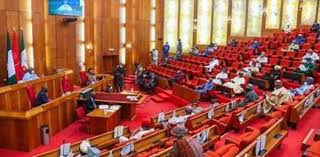
The Senate on Thursday approved a N2.285 trillion budget for the Federal Capital Territory Administration (FCTA) for the 2026 fiscal year, despite lawmakers’ strong concerns about the lack of details on how the spending plan would be funded.
The upper chamber increased the original N2.201 trillion proposal submitted by President Bola Tinubu in March by N84 billion before passing the appropriation through a voice vote during plenary.
The approved budget will fund the FCT Administration’s activities from January 1 to December 31, 2026.
The approval, however, sparked sharp debate among senators, who faulted the FCTA for failing to provide a comprehensive revenue framework to support the expenditure proposal.
Several lawmakers warned that passing a budget without a clear financing plan could expose the territory to unchecked borrowing, overdrafts and rising debt obligations.
Senate President Godswill Akpabio announced the passage of the appropriation bill after the majority of senators endorsed the Senate Committee on the FCT’s report.
Presenting the report, Chairman of the committee, Senator Austin Akobondu, said the panel engaged extensively with the Minister of the Federal Capital Territory, Nyesom Wike, and other top officials before arriving at the final figures.
He disclosed that the approved budget comprises N165.775 billion for personnel costs, N378.231 billion for overhead expenditure and N1.741 trillion for capital projects.
According to him, capital expenditure accounts for 76.19 per cent of the total budget, overhead costs account for 16.55 per cent, and personnel costs account for 7.25 per cent.
The debate shifted when lawmakers questioned why the appropriation bill failed to contain projected revenue sources expected to finance the huge expenditure.
Traditionally, budgets submitted by the executive arm include details of anticipated income from internally generated revenue, grants, loans and other financing arrangements.
The omission became more contentious against the backdrop of Nigeria’s rising debt burden and the federal government’s increasing dependence on borrowing to fund public expenditure.
The concerns were further heightened by the fact that the FCTA currently operates outside the Treasury Single Account (TSA) framework following the Tinubu administration’s decision to exempt the territory from the policy, thereby granting the administration direct access to its funds.
Senator Adetokunbo Abiru, Chairman of the Senate Committee on Banking, Insurance and Other Financial Institutions, questioned the absence of the revenue profile in the budget proposal.
Although he commended Wike for ongoing infrastructural projects across Abuja and the satellite towns, Abiru insisted that lawmakers needed to know the exact sources of funding backing the appropriation.
Similarly, the Chairman of the Senate Committee on Finance, Senator Sani Musa, warned that the budget could not be considered comprehensive without full disclosure of projected revenue inflows.
He cautioned that approving expenditure without a financing structure could create loopholes for future borrowing, leaving inadequate legislative oversight.
Responding to the concerns, Akpabio agreed that the Senate should be furnished with the FCT’s revenue profile and directed the relevant committee to ensure the document was submitted despite the approval already granted.
Despite the controversy, several senators praised the FCT minister for what they described as rapid infrastructural transformation in Abuja and adjoining communities.
Deputy Senate President Barau Jibrin said the scale of capital allocation reflected the administration’s commitment to accelerating development in the nation’s capital.
Senator Abdul Ningi described the budget as balanced and capable of sustaining ongoing projects across the territory. At the same time, Senate Minority Leader Abba Moro expressed confidence that the appropriation would improve infrastructure and public service delivery in the FCT.