By Cross Udo, Abuja
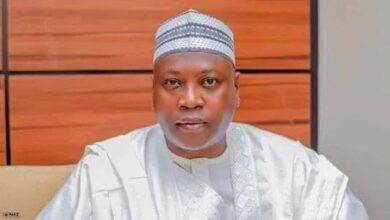
President of the Petroleum and Natural Gas Senior Staff Association of Nigeria (PENGASSAN), Festus Osifo, yesterday noted with dismay that his members in the oil and gas industry are facing gender discrimination.
Osifo also said that many workplaces lack supportive policies for maternity leave, flexible work hours, or childcare services, making it challenging for women to balance their roles effectively.
This is in line with the statement by MaryAnn Mbanaso, National Chairperson of the PENGASSAN Women’s Commission (PWAC), who has stated that women are the driving force behind the change being witnessed in the global redefinition of leadership and the transformation of Industries.
Speaking at the second edition of the PENGASSAN Women Annual Convention in Abuja, with the theme, “Dynamic Women: She powers the future, driving industry transformation, innovation and leadership,” Osifo, who is also President of the Trade Union Congress (TUC), said the theme encapsulated the essence of what women represent in every facet of their lives.
While stressing that there are challenges facing working women in the oil and gas industry, he said: “Working women in PENGASSAN, like those in many sectors, face a range of challenges that can impact their careers and overall well-being.”
According to him, some of the challenges include gender discrimination.
He said, “Despite progress, women may still encounter biases and stereotypes that undermine their roles and contributions in the workplace, making it challenging to gain equal opportunities for promotion and advancement.
“Many working women juggle professional responsibilities with household duties, caregiving roles, and personal commitments. This dual burden can lead to stress and burnout, impacting their performance and mental health.”
He also stated that inadequate policies for parental leave and flexibility pose another challenge that PENGASSAN women face, as many workplaces lack supportive policies for maternity leave, flexible work hours, or childcare services, making it difficult for women to balance their roles effectively.
To address the challenges, he advocated for the implementation of a multifaceted approach that includes policy advocacy, support programs, and cultural shifts within the organisation.
He called for inclusive policies that would enable industry stakeholders to develop and enforce gender-inclusive employment policies, promoting equality in hiring, pay, and advancement opportunities.
He also solicited for the “establishment of comprehensive maternity and parental leave policies, ensuring flexibility and adequate support for all working parents.”
Osifo said stakeholders in the sector should promote professional development that will offer workshops, training sessions, and seminars focused on leadership skills, negotiation techniques, and industry-specific knowledge to empower women in their careers.
They should also create supportive work environments and implement policies and practices that encourage work-life balance, such as flexible work hours, remote work options, and childcare support. Additionally, they should engage with businesses that have successfully implemented gender-inclusive practices to share best practices and strategies.
“By taking these actions, we can play a pivotal role in addressing the challenges faced by women in the industry, fostering an environment that supports their success and enhances overall organisational performance.
“Addressing these challenges requires a concerted effort from all stakeholders to create a more inclusive, supportive, and equitable working environment for women,” he said.
*Women are forces behind industry transformation- Mbanaso
In her welcome remarks, the PWAC national chairperson, Dr Maryann Ada Mbanaso, stated that women are not just witnesses to the global industry’s transformation and redefinition of leadership but also a driving force behind it.
“The world is changing. Energy is evolving. Industries are transforming, and leadership is being redefined. But we are not just witnesses to this change; we are the force behind it,” she said.
Mbanaso said from the time she was a little girl, she dreamed of a future where women were not just included but leading, not just invited but building.
“I imagined a world where girls grow up knowing their place is not on the sidelines but at the forefront of transformation.
“That childhood vision has matured into the mission we celebrate today. It’s not just about those of us seated here. It’s about every girl who dares to dream of designing machines, coding systems, building clean energy, or reshaping the world through science, technology, engineering, and mathematics.
“This year, we go a step further. We’re not only leading change. We are preparing the next generation to surpass us. We are building platforms for the girl-child in STEM, equipping her with tools, mentorship, access, and confidence to rise beyond barriers.
“Because when a girl sees herself as a lab coat, at the helm of tech innovation, or leading a breakthrough in energy, she doesn’t just imagine the future, she becomes it.
“We gather here not just to reflect but to act, not just to celebrate but to shape, Not just to speak but to power the future. We are no longer waiting for permission or space. We are creating space. We are claiming power. We are redesigning the very tables where decisions I made,” Comrade Mbanaso said.
She said across the industry, women are making their mark “From the rigs to the boardrooms, from policymaking to innovation labs, from operations to strategy. We are shifting paradigms with bold ideas, strategic thinking, and fearless leadership.”
The convention brought together dignitaries within the oil and gas sector.