By Nathaniel Zaccheaus, Abuja
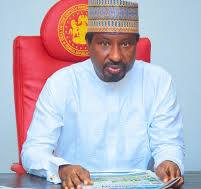
Deputy President of the Senate, Senator Jibrin Barau, has called for an urgent performance audit of the contractor handling the Kano–Gwarzo–Dayi Road project, expressing concern over the slow pace of work despite the release of N56 billion for the strategic highway over the past two fiscal years.
Barau’s intervention comes amid growing concerns over delays in the execution of the road project, a major transport corridor linking key agricultural and commercial communities across Kano, Katsina and Kebbi states.
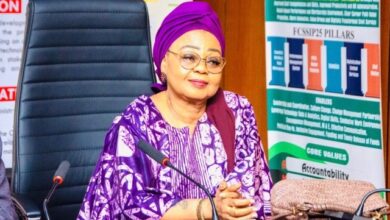
In a letter addressed to the Minister of Works, Senator Dave Umahi, the Deputy Senate President, urged the Federal Ministry of Works to immediately assess the contractor’s performance and take appropriate measures to ensure timely completion of the project.
The road project involves the dualisation of the approximately 100-kilometre Kano–Gwarzo–Dayi corridor. It is widely regarded as a critical infrastructure investment expected to boost trade, improve mobility and stimulate economic activities across parts of northern Nigeria.
However, Barau said the pace of work on the project falls far below expectations despite substantial appropriations approved by the National Assembly.
According to him, the project received N19 billion under the 2025 Appropriation Act and an additional N37 billion in the 2026 budget, bringing total allocations to N56 billion.
“Given the strategic importance of the Kano–Dayi Road to the socio-economic development of Kano, Katsina and Kebbi States, it is deeply concerning that the contractor has failed to make satisfactory progress despite the allocation of N19 billion and N37 billion to the project under the 2025 and 2026 Appropriation Acts, respectively,” Barau stated.
The Deputy Senate President warned that the continued delay in delivering the project was already taking a toll on residents and businesses that depend on the road for transportation and economic activities.
“This persistent lack of progress has resulted in undue hardship for residents, commuters and other road users,” he said.
Barau noted that the road remains a critical economic artery for communities in the region, particularly farmers and traders whose livelihoods depend on efficient transportation networks.
He stressed that public confidence in government infrastructure programmes depends largely on the timely execution of projects and prudent utilisation of public funds.
“In view of the persistent delays and the contractor’s apparent inability to meet expected project milestones, I urge the Ministry to undertake an immediate assessment of its performance and take necessary steps in the interest of the public,” he added.
The Deputy Senate President’s demand for an audit is expected to intensify scrutiny of the project, especially against the backdrop of rising public expectations regarding infrastructure delivery under the federal government’s development agenda.
As of the time of filing this report, the Federal Ministry of Works had yet to issue an official response to the concerns raised by the Deputy Senate President.
The Kano–Gwarzo–Dayi Road is considered one of the most important transport corridors in the North-West, serving as a vital link for the movement of agricultural produce, goods and passengers across several states. Stakeholders have repeatedly argued that its completion would significantly reduce travel time, enhance commercial activities and accelerate regional economic growth.