Civil servants don’t like me because I stopped wasteful spending, Wike claims

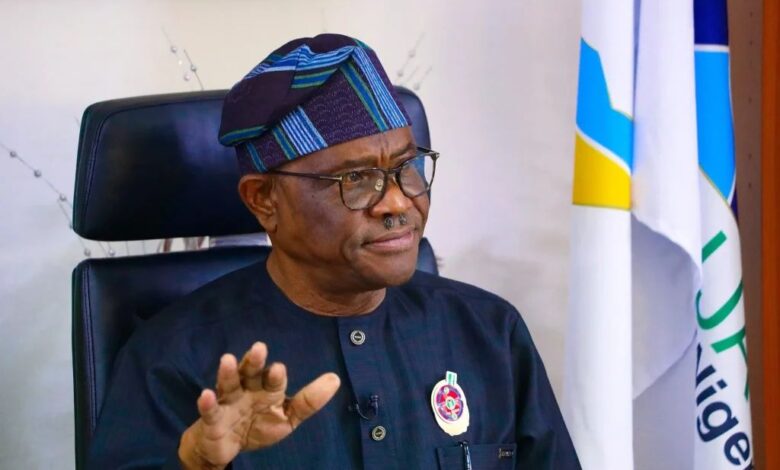
Federal Capital Territory Minister Nyesom Wike on Thursday said his insistence on redirecting public funds from official perks and overseas trips to infrastructure projects explains why he enjoys little popularity among some civil servants in the nation’s capital.
Speaking at his monthly media briefing in Abuja, Wike said he has refused to approve what he considers unnecessary expenditures, particularly costly foreign conferences, opting instead to channel the savings into roads and other projects with visible benefits for residents.
“We waste our resources on frivolities,” the minister said. “You expect me to approve funds for a trip to America for a conference on land administration. Why not study the experiences of cities within Nigeria and apply the lessons here?”
He disclosed that one of his first decisions on assuming office was to reverse what he described as an unhealthy budget structure that favoured recurrent spending over capital investment. According to him, the FCT administration now allocates about 70 per cent of its budget to development projects and 30 per cent to recurrent expenses, a shift he said is necessary to accelerate growth and improve public services.
Questioning the value of expensive overseas engagements, Wike maintained that such outlays often provide avenues for waste. “How do you encourage me to sign ₦20 million for a one-week conference abroad?” he asked. “I would rather put that money into a road project that people can see and use.”
The minister acknowledged that the policy has made him unpopular with some workers who previously benefited from the old spending pattern. “That is why I may not be popular among civil servants,” he said. “The funds that used to go into conferences are now being pooled for infrastructure.”
Wike’s remarks come amid continuing debate over the proper balance between personnel costs and capital investment in government budgets. Since taking office in August 2023, the former Rivers State governor has championed road construction, urban renewal and reforms in land administration, while arguing that tighter control of recurrent expenditure is essential to delivering lasting improvements in the Federal Capital Territory.