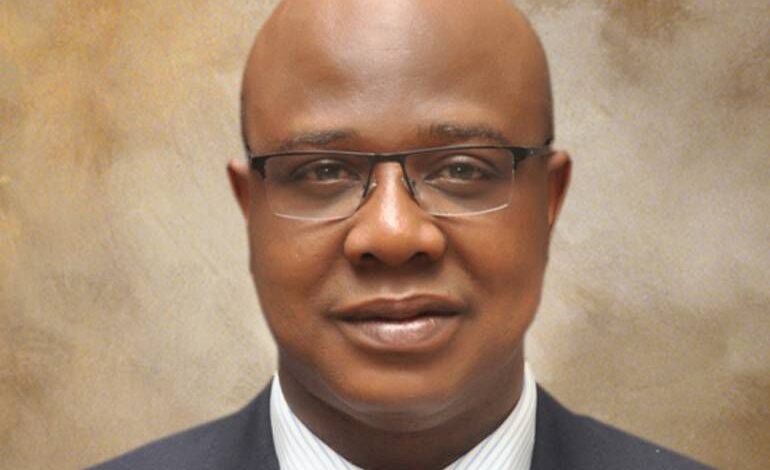
By Yusuf Aliu, Ph.D
Nigeria’s young people are full of ideas, energy, and ambition. They are creative, resilient, and eager to contribute to building a nation that works for all.
However, for many of them, the road to self-actualisation has been anything but easy.
Economic challenges, limited job opportunities, and a fast-changing world have left many young Nigerians searching for direction and purpose.
Still, this is not a story of despair, it is a story of promise. The same energy that drives young people to express themselves on the streets and online can become the force that drives innovation, enterprise, and national renewal.
What is required now is to engage them meaningfully, empower them practically, and ensure that existing government initiatives translate into tangible opportunities.
No country can prosper without the participation of its youth. Nigeria’s young population, more than 60 percent of the nation, represents one of the most potent forces for transformation anywhere in Africa.
In every corner of the country, from Lagos tech hubs to Kano mechanic workshops and Port Harcourt creative studios, young people are proving their capacity to build, create, and inspire.
But the reality is that many still struggle to find pathways to fulfil their potential. Idle hands and uncertain futures can easily become fertile ground for frustration.
When young people feel excluded or unheard, their voices often spill into protests, not necessarily out of anger, but as a cry for inclusion and purpose.
This is why the task before Nigeria’s leaders, in government, business, and civil society, is not to silence youthful expression but to redirect it toward productive engagement.
A hopeful, empowered youth population is not only good for stability but also essential for growth.
President Bola Tinubu’s administration has made youth empowerment one of its key priorities.
Several new and ongoing programmes are aimed at giving young Nigerians practical tools to thrive in today’s economy.
The Nigerian Education Loan Fund (NELFUND) has already begun providing interest-free loans to thousands of students, ensuring that financial barriers no longer shut anyone out of education.
The government’s push for every young Nigerian to acquire at least two skills reflects a pragmatic understanding that the future belongs to those who can adapt and innovate.
Similarly, the 3 Million Technical Talent (3MTT) Programme is building a generation of young digital professionals, while the Nigerian Youth Academy (NiYA), launched in 2025, is training millions in leadership, entrepreneurship, and vocational skills.
These programmes may not have reached everyone yet, but they represent necessary steps in the right direction. They also signal a shift in mindset, from dependency to productivity, and from agitation to aspiration.
The next task is ensuring that these initiatives don’t remain policy statements but become pathways that genuinely touch lives. The potential is enormous, but execution will determine success.
For youth empowerment to be genuinely effective, three things must happen:
Skills must meet real opportunities. Training programmes should be connected to the job market and entrepreneurship funding. Every youth who completes a course in digital skills, creative arts, or agribusiness should see a clear road to employment or enterprise.
The private sector must be a partner. Nigeria’s businesses, from established industries to start-ups, must work hand-in-hand with the government to create internships, mentorships, and seed-funding opportunities.
Public-private collaboration can help turn training into sustainable livelihoods. Empowerment must reach every community.
The youth in rural areas, small towns, and underserved communities must not be left behind. Decentralising opportunities ensures inclusivity and builds trust.
Nigeria’s young people do not lack patriotism; they are simply searching for belonging and relevance.
Many protests in recent times have been driven less by anger at the government and more by impatience for change. When young citizens are productively engaged — when they see their ideas matter and their skills valued, their focus shifts naturally from protest to participation.
Rather than seeing youthful restlessness as a threat, leaders should view it as potential waiting to be channelled. Constructive civic engagement, social innovation, volunteerism, and entrepreneurship are healthier outlets for the same passion that fuels demonstrations.
The country’s creative and tech sectors are living examples. From Nollywood to fintech, young Nigerians have shown that with the right environment, they can create jobs, attract investment, and lift communities. Imagine if such drives were multiplied across agriculture, manufacturing, and renewable energy — sectors rich with opportunities.
For many young people, the key word is trust. Years of unmet expectations have bred scepticism, and rebuilding confidence will take time and consistent action. Transparent implementation, accessible information, and inclusive design of empowerment programmes can go a long way in bridging this trust gap.
Government agencies must continue to publish precise data on beneficiaries, funding, and results. Partnerships with youth-led organisations can also help track impact at the grassroots. When young Nigerians see results — classmates who got training and now run businesses, friends who secured jobs through a government-backed platform, belief returns.
This approach moves engagement from rhetoric to reality.
Empowering the youth is not the government’s job alone. The private sector, professional bodies, and civil society must all play their parts. Industry leaders can mentor young entrepreneurs; universities can expand vocational learning; non-profits can provide training and micro-grants; and communities can nurture innovation at the grassroots.
The spirit of partnership must define this new phase of youth engagement. Every institution, public or private, has a stake in turning Nigeria’s youthful energy into national prosperity.
Despite the challenges, Nigeria’s youth remain hopeful. They are launching small businesses with limited capital, mastering coding from their phones, volunteering for community projects, and creating global content from tiny studios. Their resilience, optimism, and creativity are proof that with the proper support, the country’s future is bright.
The Tinubu administration has given encouraging signals. What is needed now is acceleration, faster implementation, better coordination, and more visibility for ongoing programmes. Youth empowerment should not be seen as a welfare gesture but as a strategic investment in national stability and economic renewal.
Nigeria’s young people do not need to be persuaded to love their country; they already do. What they need is to see that their country loves them back, by providing avenues for them to thrive.
The time has come to turn Nigeria’s youthful energy into a powerhouse of innovation, production, and global competitiveness. When young people are meaningfully engaged, protests fade naturally, replaced by pride, productivity, and purpose.
President Tinubu’s administration has laid the foundation. The challenge, and opportunity, now lies in translating promise into progress. If this is done with sincerity and speed, Nigeria’s youth will not just believe in the nation again; they will build it.
The story of Nigeria’s future will not be written in protests, but in possibilities, powered by the creativity, strength, and vision of its young people.
*Dr Yusuf Aliu, is a France-based Nigerian forensic investigator and management consultant