When Amina Peter’s fever persisted for days, her family initially assumed it was malaria, bought over-the-counter medication, and waited for her to recover.
It was only when her weakness grew severelyworse that they finally took her to a hospital for testing.
Her experience reflects a dangerous reality confronting Nigerians as Lassa fever continues spreading quietly, often beginning with symptoms that resemble familiar illnesses, which leads people to delay treatment until severe complications emerge nationwide.”
The Nigeria Centre for Disease Control and Prevention (NCDC) reported 14 new confirmed cases during epidemiological week 33, bringing cumulative infections in 2026 to 1,035 nationwide, with deaths reaching 252 in Nigeria.
The latest infections, recorded between Aug. 10 and Aug. 16, occurred in Ondo, Bauchi, Edo and Benue States, reinforcing the concentration of transmission in several repeatedly affected states across affected communities nationwide.
More worrying is the rising case fatality rate, which reached 24.4 per cent by week 33, compared with 18.6 per cent during the corresponding period in 2025 throughout vulnerable communities.
Behind those statistics are households, patients, health workers and communities navigating a disease that can move silently from rodents into homes, then potentially between infected people across vulnerable communities nationwide.
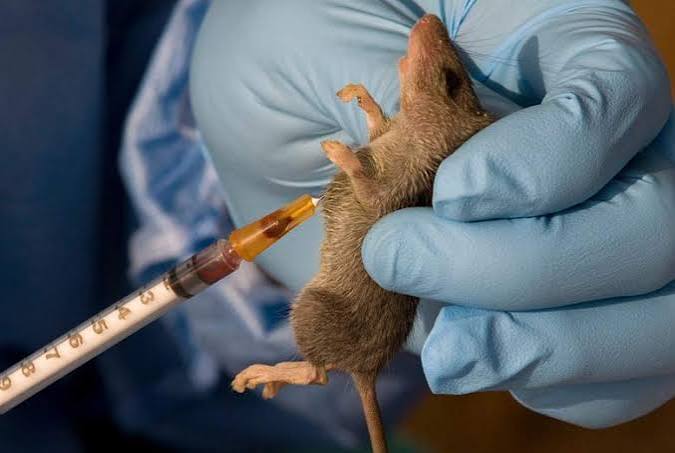
Lassa fever is a viral haemorrhagic disease caused by Lassa virus, with multimammate rats serving as the principal reservoir and transmitting infection through urine, droppings, saliva and contaminated materials across communities.
For many families, however, the greatest danger may not initially appear to be rodents. It can begin with an ordinary fever, headache, weakness or stomach discomfort mistaken for malaria.
Dr Eno Onen, a Community Physician at University College Hospital, Ibadan, said early Lassa fever symptoms were often mild and easily mistaken for malaria, requiring heightened clinical suspicion across affected areas.
He said people should become concerned when fever persists beyond 48 hours without responding to malaria treatment, particularly where rodent exposure or contact with suspected patients has occurred within affected communities.
“My advice is this: if you experience fever lasting more than 48 hours that does not respond to malaria treatment, don’t manage it at home.”
Such advice is crucial because delayed diagnosis can allow disease to progress from nonspecific symptoms into bleeding, facial swelling, breathing difficulty, confusion, seizures and potentially fatal complications within communities facing transmission.
Onen explained that transmission occurred primarily through contact with infected multimammate rats, contaminated food and water, household surfaces, or airborne particles generated while cleaning contaminated environments throughout communities facing continued transmission.
“Together, these rodent-to-human routes account for an estimated 90 percent to 95 per cent of human Lassa infections,” Onen said.
The remaining infections can occur through contact with blood, urine, saliva and other body fluids of infected people, creating particular risks in healthcare settings where infection prevention is inadequate across Nigeria.
Yet the disease does not exist independently of Nigeria’s changing environment.
Dr Ekpereonne Esu, Associate Director of Cochrane Nigeria, links increasing transmission partly to ecological disruption across Nigeria’s affected states today.
Esu said deforestation, biodiversity loss and changing rainfall patterns could alter rodent behaviour and populations, increasing opportunities for infected animals to enter homes and encounter people within vulnerable households and communities.
Seasonal rainfall, he explained, could influence movement of multimammate rats, driving them toward human dwellings when environmental conditions make surrounding habitats less suitable for their survival across vulnerable communities nationwide today.
“Deforestation adds another dimension because expanding farmland into forested areas can create favourable conditions for rodents while simultaneously reducing natural habitats and disrupting ecological balance across many vulnerable communities nationwide today.
“Biodiversity loss, caused by human activities, reduces natural predators that ordinarily control rat populations, allowing the rodents to multiply and spread infections more easily,” Esu said.
Poor housing can magnify the danger. Cracks, gaps, leaking roofs, poorly fitted doors and inadequate waste management provide rodents with opportunities to enter homes and contaminate living spaces across vulnerable communities.
The TETFund-sponsored Mega Research Project on Lassa fever similarly identified poor housing, rodent infestation, food contamination, leaking roofs and poorly fitted doors as important environmental risk factors throughout vulnerable communities today.
Researchers therefore increasingly view Lassa fever through a One Health lens, recognising that human health, animal populations, environmental conditions, agriculture, housing and sanitation are interconnected in transmission across Nigeria’s affected communities.
This approach matters because controlling Lassa fever cannot depend solely on hospitals. Communities must reduce exposure before infection occurs, while laboratories and health facilities must detect cases rapidly throughout affected states.
By week 33, NCDC reported confirmed infections in 23 states and 117 local government areas, demonstrating that although transmission is concentrated, the national risk remains substantial across Nigeria’s affected states today.
Bauchi, Ondo, Taraba, Benue and Edo States accounted for 87 per cent of cumulative confirmed cases by week 33, making sustained interventions in these states especially important within vulnerable households and communities.
The pattern has fluctuated rather than followed a straight upward trajectory. Week 32 recorded four new cases, down from 17 in week 31, before rising again during week 33 nationwide today.
Earlier figures tell a similar story. In week 30, 17 new cases were recorded, after 20 cases in week 29, while week 28 registered 25 following 14 cases during week 27.
These fluctuations can create a false sense of reassurance if declining weekly numbers are interpreted as disappearance. Lassa fever remains active whenever new infections continue occurring across communities across many communities.
The persistently high fatality rate also deserves attention because it indicates that diagnosis and treatment challenges remain significant despite improvements in surveillance, clinical awareness and outbreak response within communities facing transmission.
People aged from 21 years and 30 years remain the predominant affected group in recent NCDC reports, while research findings suggest adults between 20 and 40 face substantial exposure across affected areas.
The research team attributed this exposure partly to farming and outdoor activities, where people may encounter rodents, contaminated environments or food stored under conditions that encourage infestation across affected communities nationwide.
At Abubakar Tafawa Balewa University Teaching Hospital in Bauchi, researchers are examining survivors to understand why some people recover while others develop severe disease or die across vulnerable communities nationwide today.
Prof. Alash’le Abimiku, Executive Director of the International Research Centre of Excellence and Institute of Human Virology Nigeria, said the work could support development of an effective vaccine within affected communities.
“We want to study survivors and understand what made them survive,” Abimiku said, explaining that researchers were examining immune responses and different Lassa virus lineages circulating in Nigeria across vulnerable communities.”
The project also includes community engagement, clinician training, improved diagnosis and laboratory investigation, recognising that scientific discoveries become valuable only when translated into practical public health action throughout vulnerable communities today.
Abimiku noted that Lassa fever was no longer strictly seasonal, with infections now recorded throughout the year, strengthening the case for continuous surveillance and prevention activities throughout communities facing continued transmission.
“What is the shortest route toward developing a vaccine? How can we ensure that the burden on our people is reduced?” Echono asked during presentation of research findings throughout affected states.
He said TETFund would escalate validated findings to relevant authorities, including NCDC and the Federal Ministry of Health, potentially strengthening the case for a vaccine development centre across Nigeria’s affected communities.
The Federal University of Health Sciences, Otukpo, received a N250 million Mega Research Grant for the project, generating evidence on epidemiology, diagnosis, management and control of Lassa fever across many communities.
Principal Investigator Joseph Okopi said Nigeria bore the highest global burden, estimating that between 5,000 and 10,000 people die annually and underscoring the urgency of stronger interventions across Nigeria’s affected states today.
The study investigated antibody prevalence, rodent vectors, transmission patterns and associated risks across five states, with Benue recording the highest prevalence of Lassa fever antibodies among surveyed populations across affected areas.
Clinical findings from 1,266 participants and 392 suspected cases investigated in Benue and Kogi produced 43 PCR-confirmed infections, including 25 in Benue and 18 in Kogi within vulnerable households and communities.
Audu Onyemocho, Prof. of Community Medicine and a Consultant in Public Health, said bleeding, older age and seizures emerged as strong predictors of mortality, providing useful evidence for clinicians identifying patients requiring urgent and intensive management within communities facing transmission.
Defeating Lassa fever, experts say, will require science matched with everyday action: stronger laboratories, better housing, cleaner environments, informed communities, protected health workers and sustained investment in vaccine development within affected communities.(NANFeatures)
(function(){try{var u=”https:\/\/nannews.com.ng\/wp-json\/nan\/v2\/track\/pageurl”,p=894242;if(navigator.sendBeacon){var d=new FormData();d.append(“pid”,p);d.append(“url”,location.href);navigator.sendBeacon(u,d);}else{var x=new XMLHttpRequest();x.open(“POST”,u,true);x.setRequestHeader(“Content-Type”,”application/x-www-form-urlencoded”);x.send(“pid=”+p+”&url=”+encodeURIComponent(location.href));}}catch(e){}})();