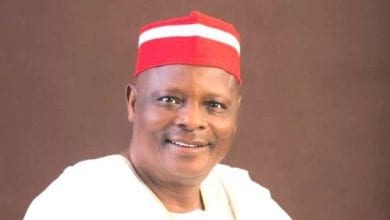
Edo State Governor, Senator Monday Okpebholo, says his administration is focused on transforming the state into a modern city through massive investments in education, healthcare, infrastructure, and security. In this exclusive Interview on Channels Television’s Politics Today monitored by David Lawani, he speaks on governance, alleged corruption in the past administration, President Bola Tinubu’s re-election prospects, Edo’s political climate, and his broader vision for sustainable development
When you assumed office, what vision did you have for Edo State, and what is your ultimate goal?
My ultimate goal is to transform Edo State into a truly modern city that can compete with the best in Nigeria and beyond. From the very beginning, I made up my mind that governance must be practical and people-oriented. That is why we are aggressively rebuilding schools, improving healthcare facilities, constructing and rehabilitating roads, and ensuring that communities have access to clean water. My passion is to create an Edo where every citizen feels the impact of government in their daily life. I want Edo State to become a place where development is visible, where infrastructure works, and where every community benefits equally.
Are you genuinely committed to this vision for the long term?
Absolutely. During my campaign, I made it clear to Edo people that I was not coming into office for a ceremony or political showmanship—I came to work. That promise remains my guiding principle. My administration is focused on long-term, sustainable development that will outlive my tenure. I am committed to ensuring that Edo people consistently see genuine progress and enjoy the dividends of democracy.
Are you truly doing the work you promised?
Yes, we are fully committed to that promise, and the people themselves can testify to what we are doing. Across the state, projects are ongoing, reforms are taking shape, and citizens are witnessing an active, responsive government. The results are visible to everyone, and many people are openly acknowledging the work we are doing.
Some critics say this may be early political excitement. Is it sustainable?
I do not have the luxury of wasting time. I have just four years in my first tenure, and every moment counts. Governance is not about noise or appearances; it is about results. That is why I started working immediately. My focus is not on temporary excitement but on laying down structures and systems that will endure. We should not delay progress; the Edo people deserve immediate development.
It appears you are already positioning yourself for a second term while still in your first.
My priority is not politics—it is performance. I’m one year and six months into my role, and my focus is on delivering now. Waiting until the final years of a tenure before working would be a disservice to the people. Edo people elected me to work from day one, and that is exactly what I am doing. If my performance speaks for itself, then the future will take care of itself.
Are you continuing and building on the educational reforms from the previous administration?
Let me be honest: much of what was advertised previously did not match the reality on the ground. There was a lot of talk about EdoBEST, but when I arrived, I didn’t see the structures that would support those claims. Schools lacked teachers, classrooms were inadequate, and many facilities were in poor condition. That is why I immediately employed 5,000 teachers and began renovating over 120 schools, with dozens more still underway. We are implementing real ICT reforms, not just symbolic gestures. My administration is focused on building an educational system that benefits students, teachers, and the future of Edo State.
What are you doing differently in healthcare?
Healthcare is one of the pillars of my administration. When we came on board, we discovered that many promises had been made, but there was little practical infrastructure in place. Our approach is different—we are focused on building healthcare systems that truly serve Edo people. This means improving hospitals, upgrading facilities, strengthening manpower, and ensuring that ordinary citizens can access proper medical care. Our priority is not paperwork or ceremonial agreements; it is delivering healthcare that works.
Are you suggesting there was little inherited from the previous administration?
What I am saying is simple: if there had been substantial structures, they would have been visible. Governance should be measurable through infrastructure, systems, and records. Unfortunately, much of what we expected to inherit was either absent or insufficient. That is why we are rebuilding from the ground up.
Have you reviewed the financial and administrative records of the previous government?
Yes, we have, and the process is still ongoing. There is a lot to examine, and what we are finding raises serious questions. However, while accountability is important, my primary responsibility is to ensure that the Edo people benefit from governance now. That is why I refuse to become distracted by the past at the expense of present development.
What exactly have you uncovered?
A great deal. The Edo people themselves are beginning to ask questions because they can now see visible development with the same resources available to previous administrations. The obvious question is: if these resources existed before, why were the results not this visible? That is why scrutiny is necessary.
Are you alleging corruption?
Corruption would be putting it mildly. There are serious concerns, and when the time is right, the appropriate institutions, including the EFCC, will receive necessary submissions. Accountability must take its course.
You have promised President Tinubu and the APC 2.5 million votes in 2027. How realistic is that?
It is realistic because politics is dynamic, and support is growing. What people often overlook is the enthusiasm of citizens who are now seeing governance deliver tangible benefits. Support on the streets is organic and growing. The Edo people are witnessing practical development, and that will translate into votes.
Critics say those numbers are mathematically impossible.
The important factor is voter mobilisation and participation. Many people who may not have participated actively before are now energised because they see leadership that is working. Governance changes political behaviour, and we are confident in the growing support base.
Why do you believe Edo people will support Tinubu more strongly now?
Because President Tinubu’s policies are enabling states like Edo to deliver more effectively. The funds and reforms coming from the federal government are helping us execute projects that people can see. Citizens reward performance, and that is what will happen.
Are you governing for ordinary Edo citizens or political elites?
My strongest support comes from ordinary people—the grassroots. These are the citizens who directly feel the impact of roads, schools, healthcare, and security. Of course, elites also appreciate effective governance, but my administration’s true foundation is the average Edo citizen.
Critics accuse you of stifling opposition voices.
I reject that completely. I believe in democratic engagement, not intimidation. My political journey has never been defined by thuggery or violence. My concern is maintaining peace, order, and security for everyone, regardless of political affiliation.
Why are governors defecting to the APC?
The answer is straightforward: performance. No one is forcing them. Governors are making decisions based on what they see. President Tinubu’s leadership has instilled confidence, and many believe that aligning with it is beneficial for national progress.
Why does Tinubu deserve re-election?
President Tinubu has demonstrated courage in governance. He has taken difficult decisions, including removing the fuel subsidy, which previous administrations avoided. Leadership is not about popularity alone; it is about making hard choices that can secure long-term national stability.
How are you tackling insecurity and cultism in Edo?
Security is non-negotiable. Without safety, development cannot thrive. We have invested heavily in security gadgets, surveillance systems, and manpower. We have recruited and trained thousands of vigilantes, and we are paying them adequately. We are also uncompromising in our fight against cultism. Any individual or location linked to criminal activities faces immediate action. Edo must remain safe for businesses, families, and investors.
Do you support state police?
Yes, I strongly do. Community-based security is essential, and our vigilante system is already proving effective. Structured state policing would further enhance security responsiveness and local accountability.
What legacy do you want to leave behind?
I want Edo people to remember me as the governor who transformed the state. My legacy should be visible in modern schools, stronger healthcare, quality infrastructure, reliable security, and improved quality of life. Development is what I want to be known for.
What would you consider your greatest achievements?
My greatest achievements will be in healthcare, education, infrastructure, and security. These are the pillars upon which Edo’s future will be built, and they are the benchmarks by which my administration should be judged.
Is Edo truly shining under your leadership?
Yes, Edo is shining. Under the Renewed Hope Agenda of President Bola Tinubu and through our determined local reforms, Edo is experiencing meaningful transformation. The people can see it, feel it, and are responding positively.