By Nathaniel Zaccheaus, Abuja
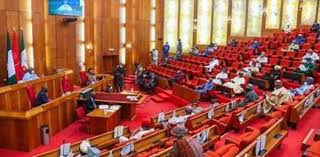
The Senate on Thursday intensified efforts to curb the growing proliferation of government agencies and professional bodies, suspending consideration of the Chartered Institute of Training and Development of Nigeria (Establishment) Bill, 2026, amid sharp concerns over overlapping institutional functions and rising public expenditure.
The development followed a tense debate on the floor of the upper chamber, where lawmakers questioned the necessity of establishing another professional institute in a sector already occupied by several training, management and development organisations.
The move also signalled a tougher legislative posture by the Senate against what many lawmakers described as the unchecked wave of establishment bills seeking to create new agencies, institutes and commissions despite the country’s mounting economic pressures.
*Akpabio warns against rubber-stamp legislature
Senate President Godswill Akpabio, while presiding over plenary, warned that the Senate would no longer approve bills merely because they originated from the House of Representatives.
“Not everything that comes from the House must be passed. This bill is amorphous and can make us look somewhat before the executive, who will ultimately assent to it,” Akpabio said.
The proposed legislation seeks to establish a professional institute for certified trainers and development practitioners in Nigeria.
However, lawmakers argued that the bill failed to clearly distinguish the proposed institute from existing professional and regulatory bodies already operating in similar areas.
Leading opposition to the bill, Senator Abdul Ningi cautioned senators against allowing sentiment or inter-chamber loyalty to influence legislative decisions.
“We can’t be emotional because it’s coming from a sister chamber and pass it. The bill doesn’t have the required merit to go through,” Ningi declared.
*Lawmakers cite overlapping functions, rising government costs
Several senators backed his position, insisting that the National Assembly must exercise greater caution when approving establishment bills that could create unnecessary bureaucracy and additional financial obligations for the government.
The debate reflected growing concerns within the Senate about the rising number of proposals to create new institutions without clear evidence of national relevance or operational necessity.
Senators noted that many existing agencies remain underfunded, making it difficult to justify creating new bodies with similar mandates.
In a bid to ensure stricter legislative scrutiny, Senate Leader Opeyemi Bamidele proposed the constitution of a sub-committee to review the bill and determine whether it complies with Order 78 of the Senate Standing Rules before any further action is taken.
Deputy Senate President Barau Jibrin also expressed reservations about the proposal, describing its objectives as vague and insufficiently explained.
“What we can do is to stand down the bill because we need an explanation. If you look at what this bill seeks to do, the Chartered Institute of Training and Development, it is quite vague.
“So, Senate Leader, please extend your diplomacy for us to get a better explanation,” Jibrin said.
However, Senate Minority Leader Abba Moro defended the bill, maintaining that its provisions were clear and that the objectives of the proposed institute had been adequately stated.
Despite Moro’s intervention, the Senate resolved that further scrutiny was necessary before the legislation could proceed.
Consequently, Akpabio announced the formation of a subcommittee chaired by Ningi to conduct a comprehensive review of the proposal and strengthen legislative checks on future establishment bills transmitted by the House of Representatives.
The Senate subsequently stepped down the bill pending the outcome of the committee’s review.
The latest action by the upper chamber is expected to fuel broader debate within the National Assembly over the growing number of agency-creation bills and the need to reduce wasteful government spending amid economic uncertainty.
Lawmakers insisted that future establishment proposals must clearly demonstrate relevance, avoid overlapping mandates and provide measurable value before securing legislative approval.