By David Lawani, Abuja
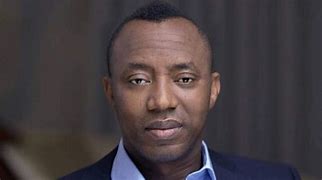
The remand of activist and former presidential candidate of the African Action Congress (AAC), Omoyele Sowore, in Kuje Correctional Centre has triggered fresh controversy over freedom of expression and the growing use of criminal laws against government critics, with the Socio-Economic Rights and Accountability Project (SERAP) demanding his immediate release.
Sowore was ordered into custody by Justice Mohammed Umar of the Federal High Court, Abuja, pending the hearing and determination of his application seeking a stay of execution of an earlier order revoking his bail and issuing a bench warrant for his arrest.
The court also dismissed an application by the activist seeking the judge’s recusal over alleged bias and fixed June 24 for hearing.
The Department of State Services (DSS) is prosecuting Sowore over social media posts in which he allegedly described President Bola Tinubu as “a criminal,” an allegation that forms the basis of charges bordering on criminal defamation and cybercrime.
His remand immediately drew condemnation from SERAP, which accused the authorities of using criminal laws to suppress dissent and silence critical voices.
In a statement on Monday, the rights organisation called on the Federal Government to release the activist and discontinue what it described as “bogus charges” against him.
SERAP warned that the continued prosecution of journalists, activists, bloggers and opposition voices under criminal defamation and cybercrime laws poses a threat to constitutional freedoms and democratic engagement.
“Sowore is being detained over his public comments and social media posts,” the group said, insisting that the charges should be withdrawn in line with Nigeria’s constitutional and international human rights obligations.
The organisation further argued that the detention could create a chilling effect on freedom of expression and discourage citizens from participating in public discourse.
The latest development comes amid increasing scrutiny of high-profile prosecutions involving political figures, activists and government critics, raising broader questions about the balance between national security, state authority and civil liberties.
*DSS witness tells court el-Rufai admitted NSA interception
In another case that has attracted national attention, proceedings continued at the Federal High Court in Abuja in the trial of former Kaduna State Governor, Nasir el-Rufai, over allegations of unlawful interception of communications linked to the Office of the National Security Adviser (NSA).
A prosecution witness and human rights lawyer, Deji Adeyanju, told the court that El-Rufai admitted during a television interview that “we listened to the conversation of the NSA.”
The court viewed the interview recording tendered by the prosecution, after which Adeyanju confirmed the statements allegedly made by the former governor during the programme.
According to the witness, he was later invited by DSS investigators and asked to recount what transpired during the television interview.
Adeyanju told the court that while El-Rufai did not specifically state that he personally hacked the NSA’s telephone lines, he admitted that conversations involving the National Security Adviser were listened to and the information relayed to him.
Under cross-examination, the witness maintained that he heard El-Rufai say, “we listened to the conversation of the NSA,” but clarified that he could not speak to the technical means through which the information was obtained.
The prosecution subsequently tendered documentary and electronic evidence, including a flash drive containing the interview and other related materials, all of which were admitted by the court.
The matter was adjourned until June 23 for continuation of trial.
Although the Sowore and El-Rufai cases arise from different facts and allegations, both have intensified public debate about the limits of state power, the use of security and cybercrime laws, and the protection of fundamental rights in a democratic society.
For civil rights advocates, the developments underscore what they describe as a troubling pattern in which dissent, criticism and politically sensitive statements increasingly find their way into courtrooms, while the government insists that national security and the rule of law must remain paramount.
With Sowore heading to Kuje prison and SERAP mounting pressure for his release, alongside fresh courtroom revelations in the El-Rufai trial, the spotlight has once again returned to the delicate intersection of law, politics, security and civil liberties in Nigeria.