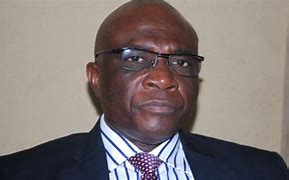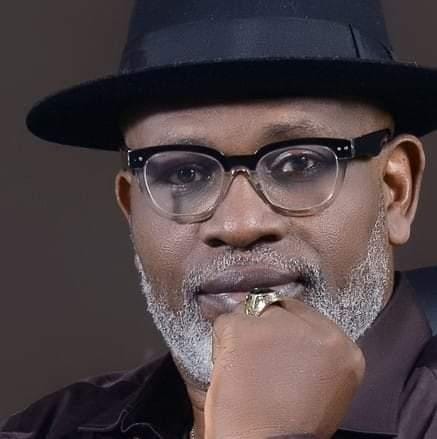
By Rekpene Bassey
In tracing the origins of the 4th Republic, it is crucial to consider the role of the political class in Nigeria’s security landscape over the past 25 years. This narrative will delve into an analysis of how political actors have influenced and shaped the nation’s security policies and outcomes during this period.
The 4th Republic in Nigeria officially commenced on May 29, 1999, following a brief but crucial transition period orchestrated by General Abdulsalami Abubakar. Abubakar assumed power after the sudden death of General Sani Abacha and swiftly initiated a program to return the country to democratic rule. This transition culminated in the election of President Olusegun Obasanjo, marking the beginning of a new democratic era.
However, President Obasanjo’s tenure quickly faced significant challenges. One of the first major political conflicts arose with the introduction of full Sharia law in twelve northern states, a move spearheaded by Senator Ahmed Yerima, then governor of Zamfara State. This action appeared to be a political maneuver to challenge President Obasanjo’s authority and had far-reaching implications.
Shortly after, the country experienced a wave of violent banditry attacks in Plateau State. These attacks were characterized by large groups of heavily armed men dressed in black, targeting rural areas.
The violence led to brutal reprisals by local communities in the Yelwa-Shendam area, prompting President Obasanjo to declare a state of emergency in Plateau State on May 18, 2004. At the time, Senator Joshua Dariye was the governor of Plateau State.
The cycle of violence did not end there. The unrest in Plateau State sparked further retaliatory attacks in Kano, leading to a widespread pattern of politically and ethnically motivated violence. Over the years, this violence has spread to numerous other states, including Benue, Borno, Kaduna, Katsina, Nasarawa, Taraba, and Zamfara. These conflicts have exacerbated Nigeria’s security challenges, underlining the deep-seated ethnic and religious tensions that continue to affect the country.
At the time the state of emergency was declared in Plateau State, the seeds of what would become the terror group Boko Haram were being sown in Borno State under Governor Ali Modu Sheriff. He was reported to have provided funding and tacit political support to the group’s youthful leader, Muhammad Yusuf, to bolster their ideology. This relationship continued until after the 2007 election when Sheriff no longer needed their support. Following Yusuf’s death, the group evolved into a fully-fledged terrorist organisation.
READ ALSO: Tinubu’s economic reforms substantially increased FG`s revenue, says Edun
Since then, Boko Haram has unleashed a campaign of terror across Nigeria, engaging in bombings, killings, arson, and widespread destruction of lives and property. Their activities have also attracted other terrorist organizations, such as the Islamic State West Africa Province (ISWAP), to the northeast and the Lake Chad region.
The use of non-state actors for political gain has not been limited to Borno State. Politicians across Nigeria have increasingly relied on thugs, cultists, militants, and bandits to maintain their influence and control.
This reliance on violent proxies has significantly contributed to the country’s complex security challenges, which now include secessionist movements, banditry, terrorism, insurgency, kidnapping, and other violent and non-violent crimes, such as internet fraud.
As a result of these deliberate or inadvertent actions by the political class, Nigeria faces a multifaceted security crisis that threatens the stability and cohesion of the nation.
Nigeria’s security threat index stands at approximately 9.40, reflecting the high rates of banditry, kidnapping, robbery, theft, and other crimes.
According to the Global Initiative against Transnational Organised Crime, Nigeria ranks second in Africa and sixth globally in terms of organised crime.
Additionally, the 2023 Global Peace Index places Nigeria at the 144th position among the safest countries in the world, highlighting its significant security challenges.
As of December 2016, the Vanguard newspaper reported a death toll of 101,500 from violence and criminal activities since 1999. This number is estimated to have doubled due to the increasing wave of criminality in the country. In the first quarter of 2024 alone, over 2,336 Nigerians were killed, with statistics indicating an average of 22 deaths per day.
Several politically motivated factors contribute to Nigeria’s state of insecurity. Chief among these is the intense political competition and the relentless quest for power. This pursuit often leads to the recruitment and arming of political thugs with lethal weapons, charms, and drugs to carry out violent acts on behalf of political figures. The weapons distributed during elections are rarely recovered and are frequently used in subsequent criminal activities.
The situation is further exacerbated by the pervasive influence of non-state actors, such as militants, cultists, and bandits, who are often employed by politicians to secure their interests. This symbiotic relationship between politicians and violent groups has entrenched a culture of impunity and violence, contributing significantly to the country’s dire security situation.
To put it tersely, Nigeria’s security landscape is marked by a high incidence of crime and violence, driven by political machinations and the widespread availability of weapons. The country’s ranking in global and regional indices underscores the urgent need for comprehensive strategies to address these deep-rooted issues and restore peace and stability.
Several additional factors contributing to Nigeria’s security challenges include corruption, mismanagement of official resources, and poor political decisions, all of which exacerbate unemployment and poverty. Ineffective political leadership and economic mismanagement have led to the devaluation of the national currency, high inflation rates, and food insecurity, particularly during President Muhammadu Buhari’s administration and continuing under the current political dispensation.
Corruption and mismanagement by some members of the political class have further fueled ethnic, communal, political, and religious conflicts. These politicians often exploit societal divisions for personal gain, worsening the country’s security landscape.
A significant issue is the politicization of command appointments within the security forces. Appointing security managers based on ethnic or political considerations rather than merit and competence leads to inefficiency and incompetence in managing the nation’s security architecture. This practice has severely undermined the effectiveness of Nigeria’s security operations.
In conclusion, addressing Nigeria’s security challenges requires a comprehensive recalibration of the country’s security architecture.
It is crucial to depoliticise security management and ensure that appointments are made based on competence and merit.
Holding the political class and security officials accountable for their actions or inactions is essential for restoring stability and ensuring the effective management of Nigeria’s security landscape.
Rekpene Bassey is the President of the African Council on Narcotics (ACON). He is also a drug abuse prevention and security expert