Opposition seeking excuses ahead of 2027 defeat — Morka, APC spokesperson

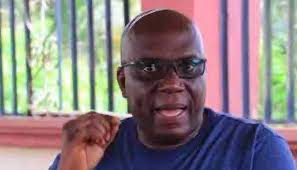
The National Publicity Secretary of the All Progressives Congress, Felix Morka, says President Bola Tinubu’s administration has strengthened Nigeria’s economy and democratic process. He dismissed opposition criticisms of the amended Electoral Act as politically motivated and misleading. Speaking on Channels Television’s Politics Today, Morka accused opposition leaders of attempting to discredit the electoral system to compensate for repeated losses at the polls. David Lawani monitored the interview.
Buba Galadima criticised the amendment to the Electoral Act. What is your response?
Nigerians are free to express their opinions, and that freedom is fundamental to democracy. However, no individual, regardless of status, speaks for the entire country. The National Assembly acted strictly within its constitutional mandate to make laws for the peace, order and good governance of Nigeria, and the President exercised his lawful authority by assenting to the bill. What is clear is that some opposition figures were pushing for provisions they knew could be weaponised to undermine electoral outcomes. They understand that connectivity limitations still exist in parts of Nigeria. Yet, they insisted on provisions that could allow them to challenge election results on purely technical grounds rather than the actual will of the people. They intended to create a legal trap — to wait for isolated technical failures and then use that as justification to nullify national elections in court. That would have been a subversion of democracy. Fortunately, the National Assembly refused to legislate based on political convenience. The law has now been passed and signed. It reflects balance, realism and national interest. Calls for further amendment at this point are not grounded in any genuine democratic concern. They are simply expressions of political frustration, and I do not see the National Assembly reopening the matter.
The opposition claims the APC is pushing the country toward crisis. Does this concern your party?
What you are seeing is the reaction of political actors who are struggling to come to terms with their declining relevance. When parties lose elections and fail to connect with the electorate, they sometimes resort to inflammatory rhetoric to remain politically visible. Facts do not support their claims. Recent by-elections and other contests have clearly shown that the ADC and its allies do not have the support base they claim. In some cases, their presence was barely noticeable. The APC, on the other hand, continues to earn Nigerians’ trust through its performance and policies. So rather than introspect and rebuild, they have chosen to manufacture tension and blame others for their shortcomings. Nigeria is not on the brink of crisis. Nigeria is functioning, elections are being held, and governments are being formed in accordance with the will of the people. What the opposition calls a crisis is their inability to win elections.
The opposition alleges the APC rigged elections. What is your reaction?
Allegations are easy to make, but they must be backed by credible evidence. That is the foundation of democracy and the rule of law. If anyone believes an election was rigged, the Constitution provides clear legal channels to challenge the result. What we cannot accept is a situation where individuals go on television and make sweeping accusations without proof. That does not strengthen democracy; it weakens public trust in institutions. The truth is that Nigerians participated in those elections, votes were counted, and winners emerged. Those outcomes reflect the people’s sovereign will. It is also important to note that these same opposition figures cannot point to specific evidence of manipulation. Their claims are driven by disappointment, not facts. Nigeria cannot be reduced to a country where elections are validated or invalidated based on the emotional reactions of losing candidates.
Senator David Mark says the APC is jittery despite controlling many states. Why would APC be worried?
There is absolutely no basis for that claim. A party that continues to win elections across the country cannot logically be described as jittery. What is happening is that law enforcement agencies are carrying out their constitutional duties. Investigations into individuals are based on allegations and evidence, not political affiliation. APC members have also faced investigations where necessary. It is unfair and dishonest to portray lawful investigations as political persecution simply because those involved belong to the opposition. The APC remains focused on governance, delivering on its promises and preparing for future elections. We are confident because we have a track record and we have the support of Nigerians. Ultimately, elections will be decided by voters, not by propaganda.
How do you respond to concerns about hardship in the country?
We recognise that Nigerians have faced economic challenges, and the government has never denied that reality. However, it is important to understand that many of these reforms were necessary to correct long-standing structural problems. Despite the difficulties, Nigerians recently participated in elections and expressed their democratic will. That demonstrates confidence in the system and in the direction of the country. Reforms of this scale take time, but they are already producing positive results. The foundation is being laid for sustainable economic growth. The government remains committed to easing the burden on citizens and ensuring that the benefits of reform are widely felt.
The opposition says credible elections may not be possible in the future. Do you agree?
That claim is simply an excuse in advance of future defeat. If they truly believe in democracy, they should prepare to compete and present their programmes to Nigerians. Instead, they are attempting to discredit the process even before it begins. That approach undermines democracy. Their internal weaknesses are their real problem. They lack organisation, structure and national appeal. We have seen situations in which they rushed to blame the APC for incidents without waiting for an investigation. That shows a tendency toward political opportunism rather than responsible leadership. Nigerians are politically aware. They know who is working and who is merely complaining. The APC will continue to engage Nigerians and earn their trust.
How would you assess the state of the economy?
The economy is showing clear signs of recovery. Foreign reserves have reached about $50 billion, the highest level in more than a decade. That reflects increased confidence and stronger fundamentals. Food inflation is beginning to ease, and agricultural productivity is improving as farmers respond to government support and policy reforms. Investor confidence is returning, and international observers recognise the seriousness of the reforms being implemented. President Tinubu has taken bold decisions that previous administrations avoided. Those decisions are now stabilising the economy and positioning Nigeria for long-term growth. These reforms are not cosmetic. They are structural. They are designed to secure Nigeria’s future. The trajectory is positive, and the results will become even more evident over time.